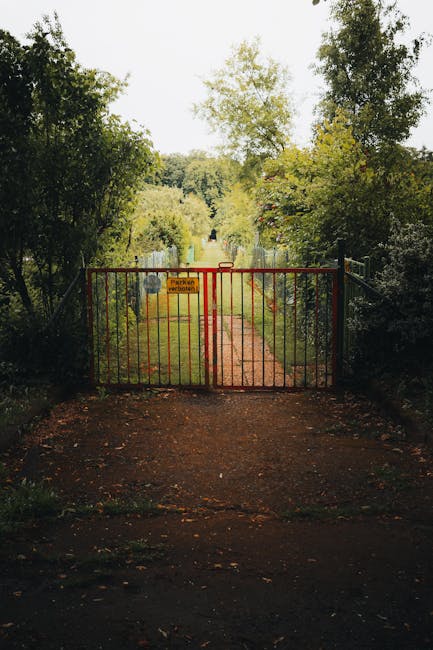
Common problems with access for Chessington garden maintenance
If you have ever tried to book garden work and then realised the path is too narrow, the gate sticks, or the bins are parked exactly where the mower needs to go, you already know the headache. Common problems with access for Chessington garden maintenance are rarely dramatic on their own, but they can slow a job down, increase labour, and make even a simple visit feel more complicated than it should. The good news? Most access issues can be spotted early and managed with a bit of planning.
In Chessington, gardens often sit behind side passages, shared drives, steep steps, awkward corners, or fences that have seen better days. That is normal. What matters is understanding how access affects maintenance, what to tell your gardener before the visit, and how to reduce delays without turning the whole thing into a project. This guide walks through the practical problems, the risks, and the simple fixes that make the day run smoother.
Why Common problems with access for Chessington garden maintenance Matters
Access is one of those behind-the-scenes details that people often overlook until the team arrives and the issue is right there in front of everyone. A locked side gate, a long carry route through the house, or a narrow passage packed with pots can turn a tidy maintenance visit into something slower, heavier, and more disruptive. Let's face it, nobody wants gardeners traipsing mud through the kitchen because the only entrance is awkward.
For homeowners, landlords, and property managers in Chessington, access matters because it affects three things at once: time, cost, and safety. If a team can get from the vehicle to the work area cleanly and quickly, they can focus on the actual job. If they cannot, there may be delays, extra labour, or limits on what can be done in one visit. That is especially relevant for routine services like garden maintenance, lawn mowing, and hedge trimming, where repeated access issues build up over time.
There is also a practical peace-of-mind angle. Good access planning reduces the chance of damage to fences, paving, ornaments, or the garden itself. It also makes it easier for the team to work safely with tools, bags, and green waste. That is not just tidy thinking. It is the difference between a smooth visit and a stressful one.
How Common problems with access for Chessington garden maintenance Works
In simple terms, access is the route, space, and working conditions a gardener needs to reach the site and move around it. That includes the front path, side return, rear gate, shared driveway, storage spots, and even where waste can be staged before removal. When access is good, maintenance is straightforward. When access is poor, every small task takes longer. A mower may need to be carried through a house. A hedge cut may require repeated trips through a narrow alley. A clearance job may need smaller loads moved by hand instead of taken out in one go.
Typical access problems fall into a few common categories:
- Narrow gates or passages that will not take standard equipment.
- Steep steps or uneven surfaces that make carrying tools difficult.
- Locked, blocked, or shared access points that cause waiting time.
- Low head height, overgrown shrubs, or tight corners that limit movement.
- No sensible waste exit route, so cuttings and debris have to be moved in small loads.
- Parking restrictions that add extra distance from vehicle to garden.
In real life, these issues rarely appear alone. A garden with a narrow side return may also have wet paving, a dog that needs containing, and bins stored across the only sensible route out. One small obstacle becomes three. That is why good maintenance planning starts with a quick access check, not just a list of tasks.
If you are comparing wider services as part of a bigger project, it can help to look at the broader services overview first, because access requirements often differ between routine work, clearance, landscaping, and heavier jobs like tree work or decking preparation.
Key Benefits and Practical Advantages
Sorting out access properly does more than save a few minutes. It changes the feel of the whole visit. The team arrives, gets on with the work, and the garden starts looking better without the usual friction. That sounds obvious, but in a busy week, those small efficiencies matter.
Here are the main benefits:
- Faster work on site because the team spends less time moving around obstacles.
- Lower risk of accidental damage to borders, paving, fencing, and plants.
- Cleaner indoor spaces because fewer tools and materials need to pass through the house.
- Better value for money when labour is used on the garden, not on avoidable logistics.
- More accurate quoting because the gardener knows what the day will involve.
- Less stress for everyone, which sounds soft, but it really matters when you are trying to keep a property presentable.
There is another benefit that people do not always think about: better continuity. If access is clear and reliable, it is much easier to keep up with regular visits. That means the garden stays manageable, rather than building up into a once-a-year jungle situation. We have all seen those gardens. By late summer, the lavender is waist-high and the shed door barely opens. Not ideal.
For recurring work, access planning also supports other services such as garden clearance and tree lopping and removal, where material volume and safe movement are major parts of the job.
Who This Is For and When It Makes Sense
This topic is relevant to more people than you might expect. It is not just for homeowners with tiny side passages. Access problems affect all sorts of properties, and they show up in different ways depending on the job.
- Homeowners with rear gardens reached through a side alley, shared path, or internal route.
- Landlords and letting agents managing properties where tenants may not have prepared the access point.
- Older homes with narrow Victorian-style passages, steps, or uneven boundaries.
- Modern homes where access exists on paper but equipment storage, parking, or gates make it awkward in practice.
- Commercial or communal properties where access has to be coordinated around neighbours, residents, or caretakers.
It makes sense to think about access before any of the following: the first visit after a long gap, seasonal hedge work, a clearance after renovation, or a larger landscaping project. If you are planning something more structural, such as new hard surfaces or layout changes, access should be considered alongside landscaping and landscape gardening so that the finished space is not awkward to maintain later.
A quick note here: a garden that is hard to reach is not a "bad" garden. It is simply a garden with constraints. Happens all the time.
Step-by-Step Guidance
If you want to reduce access problems, the best approach is practical and boring in the best possible way. No drama. Just a few checks before the job starts.
- Walk the route from vehicle to garden. Look at gates, paths, steps, corners, and anything that might snag or slow the team down.
- Measure narrow points if needed. You do not need a surveyor's notebook. But a rough sense of gate width or passage width can save time.
- Clear the obvious blockers. Move bins, children's toys, hoses, plant pots, and loose furniture out of the way if possible.
- Check lock and key arrangements. Make sure someone on site can actually open the gate, side access, or outbuilding when the team arrives.
- Think about waste movement. Ask yourself where clippings, bags, branches, and debris will go before removal starts.
- Tell the gardener about pets, neighbours, and parking limits. Small detail, big difference.
- Confirm if tools need to be carried through the house. If yes, prepare coverings or a clear indoor route where appropriate.
- Review what is realistically possible in one visit. Some work is fine in tight access. Some work is slower. Better to know before anyone starts.
When access is especially limited, a gardener may recommend breaking the job into stages. That is not a cop-out. It is often the sensible way to keep the work neat and safe. For example, a dense border with no side entry may need pruning, then waste removal, then a separate tidy-up visit. Not glamorous, but effective.
Expert Tips for Better Results
After enough garden visits, certain patterns become very clear. The homes with the smoothest jobs are not always the easiest gardens. They are the gardens where the access was thought through properly. A few small habits go a long way.
1. Keep the access route boringly clear
The most helpful thing you can do is keep the path from the street to the garden usable. That means no loose clutter, no overhanging bits that catch shoulders, and no hidden trip hazards. If the route is clear, the whole job feels calmer from minute one.
2. Make waste movement part of the plan
It is easy to focus on the cutting and forget the aftermath. But garden maintenance creates bags, trimmings, branches, soil, and sometimes heavy wet waste. If the exit route is awkward, the team may need extra time to move everything safely. Planning for that up front avoids surprises.
3. Don't hide the difficult bit
This one comes up a lot. People sometimes mention the main gate but forget the second gate, the locked shed, or the slippery step at the back. Tell the whole story. Honestly, nobody minds a "by the way, there's also a tight turn just past the shed." That's useful information.
4. Match the job to the access
Some tasks are more access-sensitive than others. A quick grass cut may be easy enough, while a large hedge cut or full clearance is a different story. If you know the garden is tight, say so early and choose the right scope of work. That is particularly important for ongoing lawn mowing and seasonal pruning.
5. Think ahead to winter and wet weather
Access gets harder when paving is damp, leaves are slick, or daylight is short. A route that feels fine in July can be awkward in November. One wet morning and suddenly the back step feels much narrower. Tiny thing, but true.
For residents who want a better long-term setup, the answer may be a small access improvement rather than a big redesign. Sometimes a simple gate adjustment, storage change, or better path layout makes maintenance easier all year round.
Common Mistakes to Avoid
Most access problems are not caused by bad intentions. They happen because people assume the job will somehow work itself out. It usually doesn't.
- Assuming the gardener will "just manage". That can lead to delays and avoidable strain.
- Leaving gates locked without a plan. The team may be waiting outside while the clock is ticking.
- Not mentioning parked vehicles. A driveway blocked by a family car can alter the whole setup.
- Forgetting about indoor access. If tools need to pass through the house, that should be agreed beforehand.
- Underestimating waste volume. A small-looking prune can create a shocking amount of material.
- Trying to squeeze a clearance job into a route that barely fits a wheelbarrow. It can be done sometimes, but it may not be efficient.
- Ignoring safety hazards such as loose slabs, broken steps, or poor lighting.
A common one is the "it's only around the back" problem. That phrase can hide all sorts of complications. Around the back of a property might mean a narrow alley, a shared access lane, a muddy edge, and a gate latch that needs two hands and a prayer. Slight exaggeration. Slight.
If you want fewer surprises, be upfront about access in the same way you would be upfront about the actual garden work. Clear brief, better result.
Tools, Resources and Recommendations
You do not need specialist equipment just to think about access. A few simple things can help you prepare properly and avoid unnecessary back-and-forth.
- Basic tape measure for checking gate and passage widths.
- Notebook or phone notes to record where access problems are located.
- Photos of the route so you can show the gardener exactly what they are dealing with.
- Temporary storage tubs or bags for moving clutter out of the way quickly.
- Outdoor lighting if early starts or late finishes are part of the routine.
- Protective covers or dust sheets if equipment must pass through an indoor space.
From a service point of view, it is helpful to work with a team that can adapt to the site rather than forcing every garden into the same routine. That matters in practical maintenance, in clearance, and in more involved jobs like decking services, where material movement and site access can shape the whole build sequence.
If you are still at the planning stage, a good starting point is to review the company's approach to pricing and quotes so you understand how site conditions may affect the estimate. That kind of transparency saves awkward conversations later.
Law, Compliance, Standards, or Best Practice
Access issues in garden maintenance are not usually about one single law or rule. They are more often about good practice, duty of care, and common sense. In the UK, anyone carrying out garden work should think carefully about safe movement, manual handling, and risk to people and property. That includes making sure access routes are reasonably safe and that work is not pushed through a route that creates avoidable hazards.
Best practice usually means:
- checking for trip hazards before work begins
- using suitable methods for moving tools and waste
- avoiding damage to shared areas or neighbouring property
- keeping communication open if access changes on the day
- not forcing equipment through a route that is too tight or unstable
Insurance and safety expectations also matter. If tools or waste must pass through a narrow or shared area, it is sensible to know who is responsible for opening access, what happens if a lock is unavailable, and how the site will be protected. A trustworthy provider should be happy to explain that clearly, and their health and safety policy should give you confidence that these details are taken seriously.
It is also fair to check how the business handles liability and secure working. Their insurance and safety information should reassure you that access challenges are being managed professionally, not improvised on the spot.
Options, Methods, or Comparison Table
There is no single right way to deal with access problems. The best method depends on the size of the garden, the type of job, and how awkward the route is. Here is a simple comparison that may help.
| Access method | Best for | Advantages | Limitations |
|---|---|---|---|
| Direct rear access | Most routine maintenance jobs | Fast, clean, efficient | Can still be limited by gate width or steps |
| Side passage access | Homes with narrow but usable routes | Convenient when kept clear | Often tight, especially with tools and waste |
| Through-house access | Gardens without external side entry | Possible when agreed in advance | Needs care, protection, and good communication |
| Staged or split visits | Large or awkward jobs | More control, less pressure on the day | May take longer overall |
| One-off clearance planning | Overgrown or cluttered sites | Useful for resetting the garden | Requires proper waste handling and space |
In many cases, the smartest option is not the most dramatic one. It is the one that lets the gardener work safely and keeps the property looking tidy while the job is underway.
Case Study or Real-World Example
Here is a typical Chessington-style scenario. A homeowner books regular maintenance after a busy spring. The garden itself is straightforward enough: lawn, a couple of borders, a hedge, and some light tidying. The issue is access. The side gate is narrow, the latch catches, and the only clear route to the back garden runs past stacked patio chairs, a bike, and a wheelie bin that nobody wants to move.
On the first visit, the team has to spend extra time getting equipment in and waste out. Nothing goes badly wrong, but the job takes longer than it should. The homeowner then clears the route, leaves the gate unlocked for the appointment window, and moves the bins the night before. The next visit is noticeably smoother. Same garden. Same tools. Much better day.
That is the whole point, really. Access problems are often not fixed by major construction. More often they are fixed by a few sensible decisions and a bit of forward thinking. Once the route is predictable, the maintenance itself feels far less disruptive. The neighbours notice too. Fewer awkward carry trips. Less noise. Less mess. Everybody wins, more or less.
Practical Checklist
Use this quick checklist before a maintenance visit. It is not fancy, but it works.
- Is the gate unlocked or is there a clear handover plan?
- Can a mower, trimmer, or waste bag fit through the main access route?
- Are paths, steps, and corners free from trip hazards?
- Have bins, bikes, toys, and furniture been moved out of the route?
- Is there enough space to carry green waste without damaging planting or fencing?
- Will tools need to pass through the house, and if so, has that been agreed?
- Are parking and unloading options clear?
- Have pets been secured and neighbours informed if needed?
- Does the gardener know about any steep, wet, or uneven sections?
- Is the scope of work realistic for the access available?
Key takeaway: if you can make the route predictable, you can usually make the job quicker, cleaner, and safer. That is true for routine visits, but especially true for heavier work where carrying, loading, and waste movement become a bigger part of the day.
Get a free quote today and see how much you can save.
Conclusion
Common problems with access for Chessington garden maintenance are usually simple in principle but annoying in practice. Narrow gates, blocked paths, awkward steps, and unclear entry arrangements can all slow a job down. The fix is rarely complicated: be honest about the route, clear the route where possible, and plan the work around what the garden actually allows.
That kind of preparation protects your surfaces, helps the team work safely, and gives you better value from every visit. It also makes regular maintenance more realistic, which is often the difference between a garden that stays under control and one that slowly gets away from you. Not glamorous. Very useful.
If you are ready to improve access planning or want a clearer idea of what your garden needs, start with the practical details and build from there. A little preparation now can save a lot of faff later, and that is one of those rare wins that feels good straight away.
Frequently Asked Questions
What are the most common access problems for garden maintenance?
The most common issues are narrow gates, blocked side passages, locked access points, steep steps, poor parking, and routes that are too tight for tools or waste. In some gardens, the challenge is not one big obstacle but several small ones that add up.
Why does access affect the cost of garden maintenance?
Poor access can make the job slower and more labour-intensive. If tools, clippings, and waste need to be carried further or handled in smaller loads, the visit may take more time. That is one reason why clear site information helps with accurate quoting.
Should I mention access issues before the gardener arrives?
Yes, absolutely. Early notice is better for everyone. If you explain the gate width, parking, steps, or any indoor route the team must use, the visit is much more likely to run smoothly. It avoids surprises on the day, which is always welcome.
Can garden maintenance be done if the side access is too narrow?
Sometimes yes, but the method may need to change. The work might be done with smaller tools, split into stages, or arranged as a clearance-first visit. If access is extremely tight, the provider may suggest a different approach.
What should I clear before a maintenance visit?
Move bins, toys, bikes, garden furniture, loose pots, and anything else that blocks the route from the entrance to the garden. If the team needs to pass through the house, try to make that route as clear and protected as possible.
Do I need to be home for access?
Not always, but it helps if there is a clear plan for gate access, keys, and any indoor route. If nobody will be on site, the arrangement needs to be agreed in advance so the team can begin work without delay.
What happens if the gardener cannot get into the garden?
If access has not been arranged properly, the visit may have to be delayed or shortened. In some cases, the job may need to be rescheduled. That is why confirming the access details beforehand is such a practical step.
Are access problems the same for clearance and regular maintenance?
Not quite. Regular maintenance usually involves repeated movement of smaller amounts of waste and tools, while clearance may require carrying larger loads or handling bulkier material. So yes, access matters in both cases, but it often creates different challenges.
How can I make a difficult garden easier to maintain in the long term?
Keep access routes clear, reduce clutter, consider better storage for bins and tools, and think about whether small layout changes would help. In some cases, minor landscaping adjustments can make future maintenance much easier.
Is it worth asking for advice before starting a landscaping project?
Yes. Access should be part of the planning, not an afterthought. If a new layout, paving change, or structural addition makes future maintenance awkward, you may end up creating a problem that keeps repeating itself. Better to spot that early.
Can access issues affect hedge trimming or tree work more than lawn care?
Often, yes. Hedge and tree work can involve bulkier cuttings, ladders, and more movement around the site, so poor access can have a bigger impact. Lawn care is sometimes simpler, though even mowing can be slowed down by narrow routes or blocked entry points.
Where can I get more information about what the company offers?
A good place to begin is the services overview, which can help you understand how different garden tasks are grouped and what kind of access may be needed for each one.