KT9 gardeners insider tips for patios and terraces
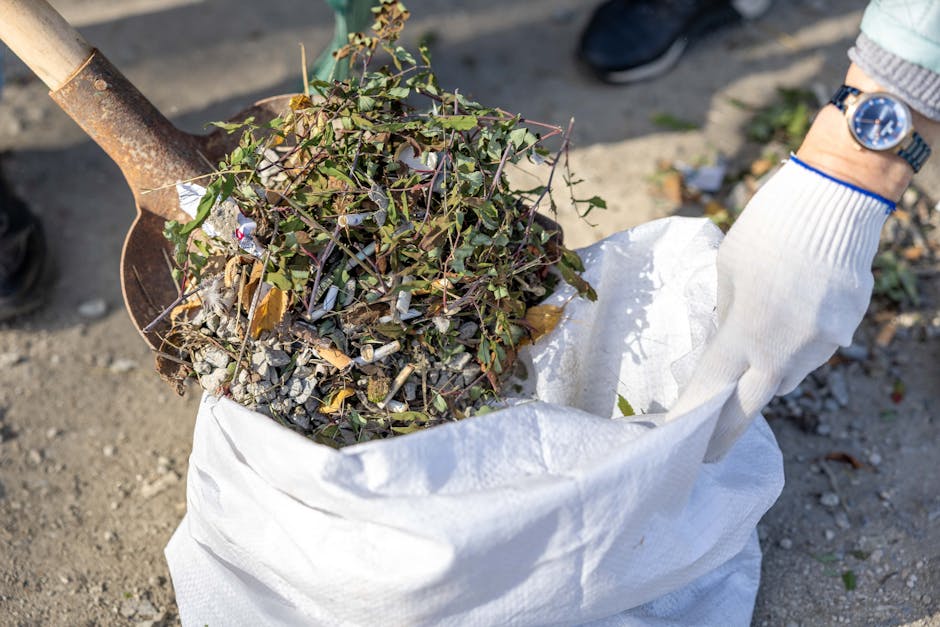
If your patio or terrace in KT9 feels a bit tired, slippery, cramped, or just not quite "finished", you are not alone. These spaces work hard in the UK. They take the brunt of rain, moss, shade, foot traffic, summer pots, barbecue spills, and the odd wonky chair leg. The good news? With the right KT9 gardeners insider tips for patios and terraces, you can make a small outdoor area feel cleaner, safer, and far more inviting without turning it into a full rebuild.
This guide walks through what matters most, how the work actually comes together, and the simple choices that make the biggest difference. You will also find practical maintenance advice, common mistakes, and a realistic checklist for keeping paving, decking-adjacent edges, and terrace features in good shape. If you are weighing up a refresh rather than a complete redesign, it may help to look at broader landscaping support or browse the wider services overview for context.
Why KT9 gardeners insider tips for patios and terraces Matters
Patios and terraces look simple from a distance. In reality, they are one of the most detail-sensitive parts of a garden. Small things make a big difference: the fall of the surface, the way water drains after a downpour, whether algae has started creeping in near a shaded wall, and whether the planting feels balanced rather than cluttered.
In KT9, many homes deal with a mix of mature trees, boundary shading, and compact outdoor layouts. That combination can be charming, but it also means patios and terraces need a little more thought than a quick jet wash in spring. If you get the basics right, the space lasts longer, feels safer underfoot, and becomes something you actually use rather than admire through the window.
Let's face it: most people do not want more chores. They want an outdoor area that behaves itself. That means surfaces that drain properly, edges that stay neat, and planting that softens hard lines without swallowing the whole space. The best KT9 gardeners insider tips for patios and terraces focus on practical design, sensible maintenance, and preventing the annoying little problems before they snowball.
There is also a value angle. A well-kept patio can make a garden feel larger and more usable, which matters if you are thinking about day-to-day enjoyment, hosting, or future property appeal. It does not have to be flashy. Often the most effective spaces are the calmest ones.
How KT9 gardeners insider tips for patios and terraces Works
The process is less about magic and more about good sequencing. A strong patio or terrace usually starts with a clear purpose: dining, lounging, container planting, children's play, or a bit of everything. From there, the job becomes a series of decisions about surfaces, drainage, layout, maintenance, and planting.
Experienced local gardeners tend to work in a practical order. First comes assessment. Then cleaning or clearance. Then surface repair, edging, planting, and finishing touches. If the space is surrounded by overgrown borders, nearby shrubs, or awkward access, then related work such as garden clearance or hedge trimming may be needed before the terrace itself can really shine.
The "insider" part is mostly this: patio and terrace success comes from paying attention to what usually gets ignored. Water flow. Slippery patches. Shade patterns across the day. Pot weight. Movement space around furniture. And yes, where the leaves land after a windy night. You notice these things only when you work outdoors a lot. Or when a customer calls three months later and says, "It looked great in May, but now the corner near the wall is always damp."
In practice, the job is a blend of aesthetics and maintenance. The aim is not just to make the area look smart for a weekend. It is to build a routine and layout that stays good-looking with reasonable effort. That is the real trick.
Key Benefits and Practical Advantages
A well-managed patio or terrace delivers more than a tidy finish. It changes how the garden feels and how often you use it.
- Better safety: Reduced algae, moss, loose debris, and trip hazards.
- Cleaner appearance: Less staining, fewer weed gaps, and more defined edges.
- Improved drainage: Less standing water after rain, which helps surfaces last longer.
- Lower maintenance: Smart planting and simple materials mean less constant tidying.
- More usable space: A calm layout makes even compact KT9 terraces feel more functional.
- Better year-round value: Not just for summer. A dry, well-kept terrace is useful in cooler months too.
There is another benefit people underestimate: mental ease. A patio that is not full of grime, overgrowth, and clutter is strangely restful. It gives the rest of the garden somewhere to "land". That sounds a bit poetic, maybe, but it is true. A clean hardscape makes everything around it look more intentional.
For properties where hard landscaping and planting need to work together, a thoughtful approach can sit alongside broader garden improvements, including landscape gardening and, where needed, structural landscaping work.
Who This Is For and When It Makes Sense
This kind of guidance is useful for homeowners, landlords, tenants with permission to improve an outdoor area, and anyone who has a small courtyard, terrace, balcony-adjacent patio, or paved garden in KT9. It is especially useful if the space:
- holds water after rain
- has become slippery or patchy
- looks worn because of shade or leaf fall
- feels too bare, too cluttered, or oddly proportioned
- needs to work harder for sitting, eating, or container planting
It also makes sense if you are not ready for a full redesign. Not every patio needs new slabs or a structural rebuild. Sometimes the smartest move is cleaning, joint repair, boundary tidying, and planting in the right places. Simple, but not simplistic. There is a difference.
If your terrace is part of a wider property maintenance plan, pairing it with regular garden maintenance can stop the "one more thing" feeling that creeps in when every surface and border gets ignored at once.
When does it make sense to call in help? Usually when the surface needs more than a light refresh, when access is awkward, or when plants and hard surfaces have started competing with each other. If you are fighting the same mossy corner every winter, that is a sign.
Step-by-Step Guidance
Here is the sensible way to approach patios and terraces without overcomplicating the whole thing.
- Start with a full look-around. Check for loose slabs, pooling water, weeds in joints, staining, cracked grout, and any uneven transitions at thresholds.
- Clear the space properly. Move furniture, pots, storage, and loose items. If there is old clutter or dead material tucked into corners, remove it before cleaning. A good clear-out makes the rest of the job easier.
- Clean the surface in the right order. Sweep first, then treat grime or algae carefully, and only use pressure washing where it will not damage joints or delicate stone. Not every surface likes a blast of force. Truth be told, some just need patience.
- Repair before you decorate. Repoint joints, reset loose paving where necessary, and deal with minor drainage issues before adding plants or furniture back in.
- Define the layout. Decide where sitting, planting, and movement will happen. A terrace should feel easy to cross, not like an obstacle course.
- Add planting with restraint. Use containers, climbers, or slim borders to soften hard edges without swallowing the usable space.
- Finish with simple maintenance habits. A ten-minute weekly tidy is worth more than one heroic clean-up every six months. I know, not glamorous.
If the area needs deeper restoration or a more coordinated approach, it may be worth considering decking services where a mixed hard-surface design makes more sense, or browsing services overview to see how different outdoor work pieces fit together.
One useful practical note: always work from the highest priority problem first. If drainage is poor, cleaning the surface alone will not solve the underlying mess. If the planting is overgrown, the patio may still feel cramped even after a spotless wash. Fix the root cause. Then the polish.
Expert Tips for Better Results
Here is where small decisions pay off. These are the details people often miss on their first pass.
Think in layers, not just surfaces
A terrace is not just paving or tiles. It is the surface, the edge definition, the boundary planting, the furniture spacing, and the light. If one layer is wrong, the whole thing can feel awkward.
Use planting to control the mood
Hard surfaces can feel cold if they are too exposed. A couple of well-placed containers, some low evergreen structure, or a climber on a wall can soften the look quickly. But keep it balanced. A patio should not feel like it has been ambushed by pots.
Respect shade and moisture
In KT9, shaded patios often stay damp longer after rain. That means more chance of algae and more need for sensible cleaning. Choose materials and planting that tolerate those conditions instead of fighting them.
Keep edges crisp
Neat edging is one of the fastest ways to improve a terrace. It makes the design look deliberate and helps prevent soil, mulch, and weeds from creeping over the surface.
Match maintenance to your real life
If you work long hours or travel often, choose a low-maintenance finish and simple planting. If you enjoy gardening, you can be more adventurous. The best outdoor space is the one you will actually look after.
A small aside: if you have ever spent twenty minutes moving one pot three feet to the left and then right again, you already know how easily these spaces can become overthought. Happens to the best of us.
For nearby trees or high boundary growth that cast too much shade, strategic tree lopping and removal may sometimes be part of the solution, though only where appropriate and with proper care. In other cases, lighter pruning and tidying can be enough.
Common Mistakes to Avoid
Most patio and terrace problems are not dramatic. They are the result of small mistakes repeated over time.
- Overusing pressure washers: This can damage softer stone, loosen jointing, and make the surface rougher than it needs to be.
- Ignoring drainage: Water sitting against walls or in corners often leads to algae and staining.
- Choosing too many pots: Too much container planting can make the area feel cramped and increase watering work.
- Using mismatched materials: Surfaces, furniture, and borders should feel connected, not like separate ideas competing for attention.
- Skipping regular maintenance: Small jobs are easier than a big seasonal rescue.
- Letting nearby growth take over: Overhanging hedges and trees add shade, debris, and pressure to hard surfaces if left unchecked.
Another common mistake is designing for the perfect sunny day and forgetting the other 250-ish days of the year. A terrace in the British climate needs to cope with drizzle, damp, leaf fall, and a fair bit of compromise. So build for reality, not fantasy.
If your patio is constantly getting buried under debris from surrounding planting, a sensible mix of hedge trimming and regular lawn mowing nearby can keep the whole garden feeling cleaner and less chaotic.
Tools, Resources and Recommendations
You do not need a van full of equipment to keep a patio or terrace in good shape. A few dependable tools are enough for most situations.
| Tool or item | What it helps with | Why it matters |
|---|---|---|
| Stiff broom | Daily or weekly sweeping | Keeps grit and leaf litter from building up |
| Bucket and soft brush | Gentle washing and spot cleaning | Better for delicate surfaces than harsh scrubbing |
| Weed tool or patio knife | Joints and narrow gaps | Stops small growth from spreading |
| Watering can or hose | Containers and light rinsing | Useful for tidying without overdoing it |
| Non-slip outdoor mats | High-traffic or wet zones | Helps where surfaces stay damp |
| Pruning snips | Light plant shaping | Useful for keeping nearby growth in check |
For bigger jobs, a professional team may bring better surface-care methods, safer access equipment, and the judgement to know when not to overclean a surface. That judgement matters more than people think. It saves money in the long run, too.
If you are comparing service levels, it can help to review pricing and quotes carefully so you understand what is included. The cheapest option is not always the most economical if it leaves you with repeat problems.
And because patio and terrace work is often part of a bigger garden picture, a broader approach like recycling and sustainability can be useful when you are disposing of green waste, old materials, or surplus planting.
Law, Compliance, Standards, or Best Practice
For most homeowners, patio and terrace upkeep is not about complicated regulation. Still, there are sensible UK best-practice points worth keeping in mind.
First, any work that involves ladders, cutting tools, or heavy lifting should be done with care. Safe access, stable footing, and sensible handling matter. If a contractor is involved, it is reasonable to expect proper care, appropriate equipment, and clear communication about risk.
Second, drainage and surface levels should be treated seriously. A patio that channels water toward a building, or creates a recurring slip risk, is not just annoying. It may become a maintenance or safety issue. You do not need to quote technical standards to notice when water is going the wrong way.
Third, if work affects boundaries, shared areas, or nearby structures, it should be planned carefully and respectfully. That is especially true in tight KT9 plots where one garden change can affect another.
For reassurance around service standards, insurance, and working practices, it is sensible to review a contractor's policies, including insurance and safety and health and safety policy. You may also want to understand how issues are handled by checking the complaints procedure and, for general site transparency, the about us page.
That is not red tape for the sake of it. It is how you separate a neat finish from a job that is likely to hold up.
Options, Methods, or Comparison Table
Different patios and terraces need different approaches. The right method depends on the material, the amount of shade, and how much time you want to spend on upkeep.
| Method | Best for | Pros | Watch-outs |
|---|---|---|---|
| Light manual cleaning | Regular maintenance and delicate finishes | Gentle, low risk, easy to repeat | Not enough for heavy staining or algae build-up |
| Targeted deep clean | Seasonal refresh and stubborn dirt | Stronger results without full resurfacing | Must be matched to the material |
| Plant-led softening | Plain or stark terraces | Adds warmth and character | Can become cluttered if overdone |
| Structural redesign | Layout problems, drainage issues, poor use of space | Solves deeper issues and improves flow | More time, more planning, higher cost |
There is no single "best" answer. A small terrace may just need better planting and cleaner lines, while a tired patio with poor levels needs a more structural fix. The key is to match the method to the problem, not the other way round.
Case Study or Real-World Example
Imagine a compact KT9 rear garden with a paved patio outside the kitchen door. It gets morning shade, a few hours of sun, and then leaf fall from nearby planting later in the year. The owner wants somewhere to sit with coffee, but the area feels slippery in winter and messy by late summer.
The first step is not adding more furniture. It is stripping the space back. Sweep, clear old pots, cut back overhanging growth, and check the joints where weeds have started to take hold. In this kind of setup, the patio often looks worse because it is carrying too much visual clutter, not because the paving itself is beyond saving.
Then the work moves to practical improvements: gentle cleaning, re-edging, a couple of well-sized containers rather than a dozen small ones, and maybe a slim bench instead of a bulky dining set. The result is calmer, easier to use, and much less of a chore to maintain. Nothing dramatic. But the space becomes usable again.
That is the real win. Not a "before and after" that looks like a magazine cover. Just a terrace you can walk onto without thinking, sit down on without moving three chairs, and keep tidy without a Saturday write-off. Beautiful in its own way, honestly.
Practical Checklist
Use this checklist before, during, or after patio and terrace work.
- Check for loose or uneven paving
- Look for water pooling after rain
- Remove moss, leaves, and surface debris
- Inspect joints and edges for weed growth
- Trim nearby hedges, shrubs, or branches that are causing shade or litter
- Choose furniture that leaves enough walking space
- Limit container clutter and keep a clear focal point
- Use low-maintenance planting where possible
- Plan seasonal cleaning rather than waiting for a major build-up
- Make sure any contractor explains the method and expected finish clearly
Expert summary: The best patios and terraces are rarely the fanciest. They are the ones that drain well, stay tidy with manageable effort, and feel comfortable in real life, not just on a bright afternoon.
Get a free quote today and see how much you can save.
Conclusion
KT9 gardeners insider tips for patios and terraces come down to one honest idea: make the space work first, then make it beautiful. If the surface is safe, the layout is sensible, and the planting is doing its job, the whole area starts to feel calmer and more expensive-looking without shouting about it.
Start small if you need to. Tackle drainage, cleaning, and edges. Then refine the planting and furniture. If the job feels bigger than a weekend fix, bring in experienced help and build from there. There is no prize for wrestling with every problem alone.
And if you get it right, that patio or terrace becomes what it was always meant to be: a proper part of daily life, not a patch of paving you avoid looking at. That is a good feeling. A very good one.
Frequently Asked Questions
What are the most important KT9 gardeners insider tips for patios and terraces?
The biggest wins usually come from good drainage, regular cleaning, careful edge control, and planting that softens the space without cluttering it. Those basics do more than decorative extras.
How often should a patio or terrace be cleaned?
Light sweeping should be regular, ideally weekly in busy seasons. A deeper clean is often useful seasonally, especially after autumn leaf fall or after a wet spell that encourages algae.
Can a terrace be improved without replacing the paving?
Yes. Many terraces improve dramatically with cleaning, re-jointing, better plant placement, and a clearer layout. Replacement is only needed when the surface or levels are failing in a bigger way.
Why does my patio keep getting slippery?
Shade, moisture, moss, algae, and poor drainage are common reasons. Nearby trees or hedges can also make the problem worse by reducing drying time and dropping debris onto the surface.
What plants work well around patios and terraces?
Plants that suit the available light and require manageable care work best. Containers, evergreen structure, and restrained planting usually feel better than overcrowded borders.
Is pressure washing always a good idea?
No. It can be useful, but it is not suitable for every surface. Too much pressure may damage joints or finish, so the method should match the material.
How can I make a small terrace feel larger?
Keep the layout simple, use fewer but better-proportioned items, and create clean edges. A small terrace often feels bigger when you reduce visual noise rather than adding more features.
Do I need professional help for patio maintenance?
Not always. Basic sweeping and light care can be done yourself. But if there are loose slabs, persistent drainage issues, difficult access, or heavy build-up, professional help is usually the better call.
What is the difference between a patio and a terrace in practical terms?
People often use the terms loosely. In practical terms, both refer to hard outdoor spaces used for sitting, moving, and entertaining. The exact construction may differ, but the maintenance principles are often similar.
How do I stop weeds coming back between paving joints?
Regular removal, proper joint maintenance, and keeping debris off the surface help a lot. If the joints are weak or eroded, new growth will return faster, so the base problem needs attention too.
When should I consider broader landscaping work rather than just patio maintenance?
If the space feels awkward because of levels, boundaries, overgrowth, or access issues, broader design work may be the better route. That is when patio care becomes part of a wider garden plan rather than a standalone job.
How do I choose a local service for patio and terrace work?
Look for clear explanations, sensible methods, and transparent policies. It helps to review service information, safety commitments, and pricing details before you decide. A straightforward conversation usually tells you a lot.