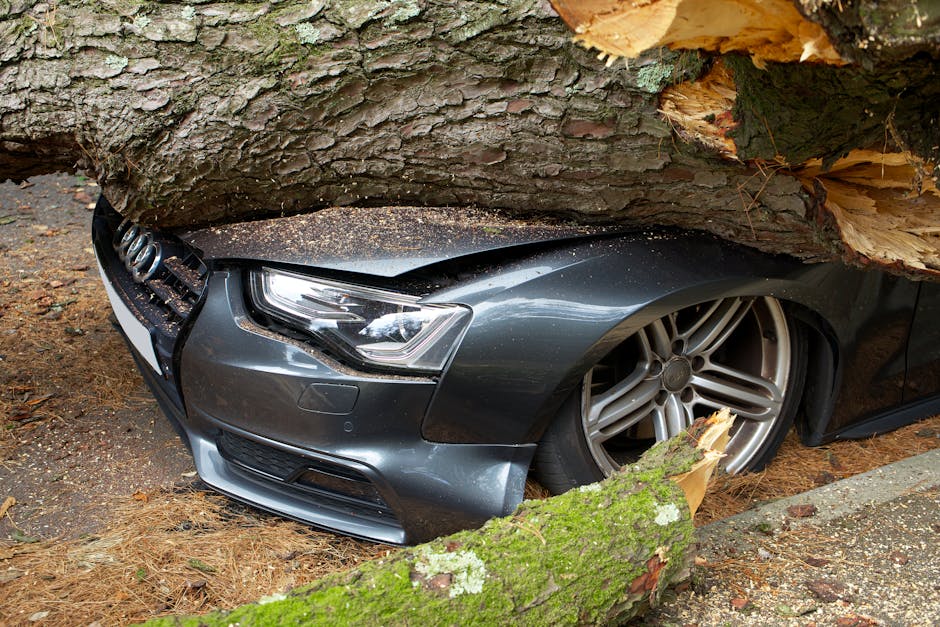
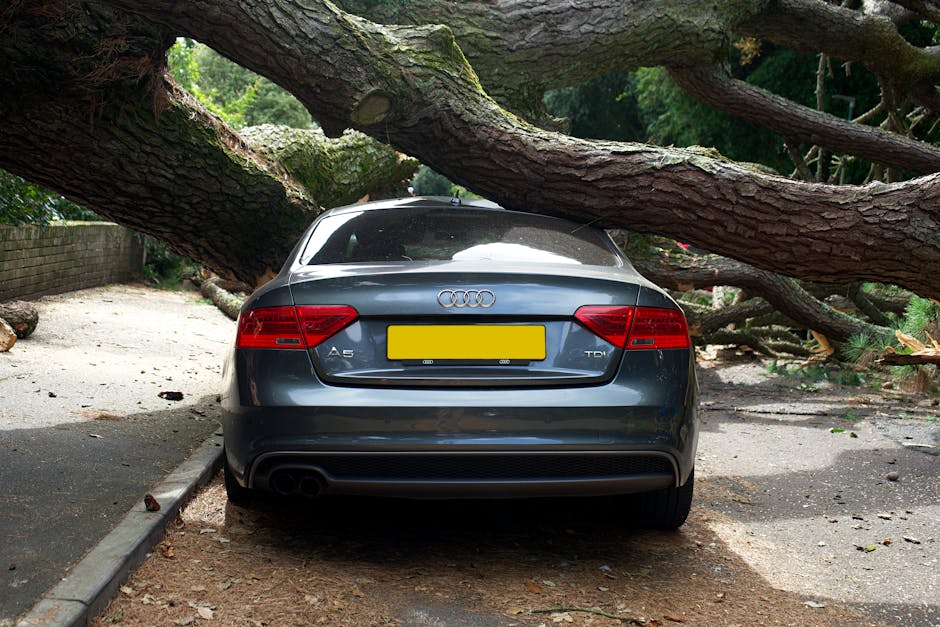
Same day gardeners in Chessington for storm damage clearance
Storms have a habit of making a garden look fine one minute and chaotic the next. A few heavy gusts, a night of driving rain, and suddenly there are snapped branches, scattered fencing, clogged pathways, and debris pressed into the lawn. If you need same day gardeners in Chessington for storm damage clearance, the priority is simple: make the space safe, get the mess under control, and stop small problems turning into bigger ones.
This guide explains what fast storm damage clearance involves, how it usually works, what to expect from a local garden team, and how to judge whether you need emergency help or a planned tidy-up. It also covers practical safety points, common mistakes, and the kind of follow-on work that often makes sense once the worst of the weather has passed. In other words, not just the clean-up, but the sensible next step too.
Whether you are dealing with a fallen branch across the drive, a hedge torn open by wind, or a garden full of slippery debris, the right response saves time and reduces risk. Let's face it, storm damage rarely arrives at a convenient moment.
Table of Contents
- Why Same day gardeners in Chessington for storm damage clearance Matters
- How Same day gardeners in Chessington for storm damage clearance Works
- Key Benefits and Practical Advantages
- Who This Is For and When It Makes Sense
- Step-by-Step Guidance
- Expert Tips for Better Results
- Common Mistakes to Avoid
- Tools, Resources and Recommendations
- Law, Compliance, Standards, or Best Practice
- Options, Methods, or Comparison Table
- Case Study or Real-World Example
- Practical Checklist
- Conclusion
- Frequently Asked Questions
Why Same day gardeners in Chessington for storm damage clearance Matters
Storm damage in a garden is not only a cosmetic issue. Broken branches can block access, damaged trees can become unstable, and scattered debris can hide sharp objects or trip hazards. If fencing, decking edges, garden structures, or tree limbs are loosened in high winds, things can worsen quickly if they are left sitting overnight or through another wet spell.
In Chessington, where many gardens have mature shrubs, boundary hedges, and mixed planting close to houses, a storm can leave a tidy outdoor space looking like a small construction site. There may be leaves plastered across patios, broken pots, torn climbers, or heavy limbs leaning where they should not be. It only takes one awkward branch to make the whole garden feel unusable.
Prompt clearance matters because it restores order and reduces the chance of secondary damage. A blocked drain can overflow. A snapped branch can abrade a fence panel. Wet organic debris can rot and smell sour after a day or two, especially in mild weather. It is one of those jobs where speed really does help.
There is also peace of mind. If your front path, side return, or driveway is cluttered after a storm, getting a same day team in can make the property feel safe again far sooner than trying to tackle it yourself after work, with a pair of small handsaws and a wheelbarrow that has definitely seen better days.
For larger follow-up tidy-ups, many people then pair urgent clearance with broader services such as garden clearance or longer-term garden maintenance, especially if the storm has exposed other neglected areas.
How Same day gardeners in Chessington for storm damage clearance Works
Same day response usually starts with a quick assessment over the phone or by message. A local gardener will want to know what has happened, what is damaged, and whether the job is mainly debris removal or something more involved, like a fallen tree branch, broken hedge sections, or a damaged structure blocking access.
From there, the team prioritises safety and access. If a branch is hanging over a pathway or pressing on a fence, that usually needs to be managed first. If the garden is simply scattered with twigs, leaves, and broken foliage, the approach is more about fast clearing, raking, cutting, bagging, and loading waste for removal.
In practical terms, a same day visit often looks like this:
- Initial call or enquiry with a brief description of the storm damage.
- Fast arrival estimate based on urgency, location, and the scale of the work.
- On-site assessment to identify any immediate hazards.
- Safe removal of loose debris, fallen branches, and damaged plant material.
- Cut-back or containment of unstable growth where appropriate.
- Waste sorting and clearance, with recycling where possible.
- Optional advice on follow-up work if trees, hedges, or borders need attention.
That process sounds straightforward, and mostly it is, but the judgement part matters. A small branch lying on grass is a very different job from a wind-damaged tree limb caught in another tree or resting against a greenhouse. Good gardeners know when to work, when to pause, and when a more specialised tree service is the safer route.
If the damage has affected trees rather than simple shrubs, it can make sense to combine urgent clearance with tree lopping and removal where needed, especially when overhanging limbs or split stems are involved. That is the kind of decision best made on site, not guessed from a text photo sent in a hurry at 8:14 a.m.
Key Benefits and Practical Advantages
The biggest benefit is obvious: the garden becomes usable again much sooner. But there is more to it than convenience.
1. Faster hazard removal. Storm debris often creates trip hazards, sharp edges, and wet, unstable surfaces. Clearing those same day lowers risk straight away.
2. Less chance of further damage. A broken branch can swing, rub, or collapse further if another gust comes through. Early intervention often prevents a manageable problem becoming a costly one.
3. Better protection for paths, fencing, and planting. When branches and heavy debris sit in one place, they can crush lawn areas, damage borders, or mark paving.
4. Less stress for the homeowner. After a storm, people usually want one thing: a calm, competent pair of hands. The relief is real. You can hear the garden again, if that makes sense, once the crunching debris is gone and the place stops looking so battered.
5. Cleaner waste handling. Good gardeners do not simply pile everything in a corner. They separate material that can be recycled from material that needs proper disposal. That matters for both practicality and sustainability.
There is also a subtler benefit: storm clearance creates a clearer picture of what the garden really needs next. Once the broken material is removed, it becomes much easier to see if the hedge needs shaping, if the lawn has been damaged, or if a border has been left exposed.
If the storm has left the garden looking stripped back and untidy, a follow-up visit for hedge trimming or even small-scale landscaping can help restore structure, not just cleanliness.
Who This Is For and When It Makes Sense
This service is for anyone who needs a garden made safe and orderly quickly after poor weather. That includes homeowners, landlords, letting agents, property managers, and residents looking after a shared outdoor space. It also suits people who simply cannot clear the damage themselves because the debris is too heavy, too awkward, or just plain too much.
It tends to make the most sense in these situations:
- A tree branch has fallen and is blocking a path or drive.
- Wind has scattered garden waste across the lawn and patio.
- Hedges have been shredded or bent out of shape.
- A fence line has been hit by branches and now needs the area cleared before repairs.
- There is broken glass, bent metal, or debris hidden under leaves and twigs.
- Wet weather has made the garden slippery and difficult to navigate safely.
It is also a good option after a storm if you are planning to sell, rent out, or simply restore the appearance of a property quickly. A first impression can be affected by a garden that looks hit hard, even if the damage itself is not severe.
Truth be told, people often delay because they assume the job is "just a few branches." Then they go outside and realise the branches are damp, tangled, and wedged under another shrub. Funny how gardens do that.
If your outdoor space needs a broader reset after the storm, you may also want to look at services overview to see how clearance can sit alongside ongoing upkeep and tidying work.
Step-by-Step Guidance
If you are arranging storm damage clearance the same day, a sensible process helps everything run more smoothly. Here is the practical version.
- Look from a safe distance first. Do not walk under hanging branches or stand near unstable trees. Check the garden visually before stepping in.
- Identify urgent hazards. Note anything blocking access, leaning dangerously, or at risk of moving if the wind picks up again.
- Take a few clear photos. Keep them simple. Wide shots are more helpful than close-ups for explaining the scale of the job.
- Explain access issues. Mention narrow side passages, locked gates, or awkward parking. Same day work gets easier when the team knows what they are walking into.
- Ask what can be cleared immediately. Some jobs are purely clearance. Others may need cutting back or careful dismantling of damaged growth.
- Separate anything you want to keep. Sometimes branches, planters, or timber pieces can be reused. Make that clear before work starts.
- Request waste handling details. You will want to know how green waste and mixed debris will be dealt with.
- Inspect the area after clearance. Check for hidden nails, shards, or damaged edges once the main debris is gone.
A small but useful habit: if a storm has damaged both the garden and any hard landscaping, do not rush into repairs before the area is properly cleared. That is how little problems get buried under rushed decisions. You want a clean base first.
For example, if storm debris has landed on a timber deck or seating area, it may be sensible to inspect whether the surface also needs checking for wear or loosened boards. In some cases, that brings in a related service such as decking services, but only once the urgent clearance is completed.
Expert Tips for Better Results
A few small choices can make storm cleanup much faster and safer.
Act early, but do not panic. If the worst of the wind has passed, there is no prize for racing into the garden before it is safe. Wait for a lull, then assess calmly.
Prioritise the unsafe items first. A bent branch over a doorway is more important than leaf litter on the lawn. Obvious, yes, but in the moment people often start with the most visible mess rather than the most dangerous one.
Keep the route clear. Make sure the team can reach the garden without stepping over tools, bins, or locked-away furniture. It sounds minor. It really helps.
Ask for a realistic finish plan. Some gardens can be made fully tidy the same day. Others need a first-pass clearance, then a return visit for finer shaping or restorative work. That is normal.
Use the storm as a reset point. If the garden has become overgrown, uneven, or cluttered, this is a good moment to think about longer-term improvements. A cleaner base lets you see what actually needs attention. And what does not.
One practical tip that saves headaches: keep a small bag or box aside for items you may want back later, such as pot saucers, plant markers, or hose fittings. After a storm, these bits can disappear into the mess fast. Really fast.
If the storm has also roughened up the rest of the garden, routine lawn mowing or a planned trim later in the week can help the space recover its shape once the urgent work is finished.
Common Mistakes to Avoid
Storm cleanup looks simple until it is not. Here are the mistakes that tend to cause the most trouble.
- Walking straight into the damaged area. Hanging branches and hidden sharp objects can be dangerous.
- Trying to lift heavy debris alone. Wet wood weighs more than people expect, and awkward angles are a quick way to strain your back.
- Using the wrong cutting approach. Some damaged branches are under tension and can spring or split unpredictably.
- Ignoring the root cause. If a tree or hedge is repeatedly failing in high winds, the issue may be structural, not just cosmetic.
- Clearing without a waste plan. If you do not know where the material is going, you can end up with a second pile of mess in the driveway.
- Leaving damp debris too long. Rotting green waste can smell unpleasant and attract unwanted pests. Not a lovely afterthought.
Another common mistake is assuming every storm-damaged branch should be removed in the same way. Sometimes a careful cut-back is enough. Sometimes a tree needs proper assessment. Sometimes the safest move is to stop and let a trained gardener decide. That is not hesitation; that is good judgement.
Tools, Resources and Recommendations
For a same day storm clearance job, the right tools matter because speed only helps when it is paired with control. A professional garden team will usually bring equipment suited to cutting, lifting, gathering, and loading in a tidy sequence rather than in one frantic sweep.
Useful equipment often includes:
- Handsaws and pruning tools for manageable branches
- Secateurs for finer cuts and damaged stems
- Tarpaulins or collection sheets for moving debris efficiently
- Rakes and brooms for leaf and twig removal
- Wheelbarrows or load carriers for waste transport
- Protective gloves and sturdy footwear
- Loading bags or containers for sorting green waste
For the homeowner, the most useful "resource" is often simply preparation. Clear access, make a quick note of what is urgent, and keep pets or children away from the work area until the garden is checked. That alone can save a lot of back-and-forth.
Where ongoing care is needed after the storm, it is worth considering whether the garden would benefit from a maintenance plan rather than one-off rescue work only. A garden that has been trimmed and cared for regularly usually weathers storms more cleanly in the first place. Not always, but often enough to notice.
If the storm has affected boundaries, overgrowth, or visibility along fence lines, landscape gardening may be worth exploring once the clearance is complete. And if you want a broader schedule to keep things from getting out of hand again, garden maintenance is the sensible follow-up.
Law, Compliance, Standards, or Best Practice
Storm damage clearance in a garden is not usually a heavily regulated job in the way building work might be, but there are still important standards and best practices to keep in mind. Safety comes first, and waste must be handled responsibly.
In the UK, anyone undertaking garden work should work in a way that avoids foreseeable harm. That means checking for unstable material, using appropriate tools, and not taking unnecessary risks with trees, roofs, power lines, or damaged structures. If something looks beyond normal garden clearance, it should be treated carefully and referred on or left alone until it is properly assessed.
Waste handling matters too. Green waste should be separated where possible and moved in a way that supports recycling or responsible disposal. Mixed debris may need different handling depending on what storm damage has dragged into the garden. A proper clearance process is not just about speed; it is about doing things properly.
Insurance and safety are worth asking about, particularly if the work includes awkward lifting, larger branches, or access through tight spaces. A trustworthy local team should be able to explain how they manage safety on site. If you want more background on that side of the service, you can review insurance and safety and the related health and safety policy.
Finally, if you are planning a bigger tidy-up after the storm, it is helpful to understand how quotes, payment, and job scope are handled in advance. Clear expectations avoid awkward surprises. For that, pricing and quotes is a useful place to start, along with the site's payment and security information.
Options, Methods, or Comparison Table
Not every storm cleanup needs the same response. Sometimes a quick tidy is enough. Sometimes you need more hands, more equipment, and a more careful approach. The table below gives a practical comparison.
| Approach | Best for | Pros | Limitations |
|---|---|---|---|
| DIY tidy-up | Light leaf litter, twigs, small loose debris | Low cost, immediate start, simple jobs | Riskier for heavy or unstable branches; time-consuming; waste disposal can be awkward |
| Same day gardener visit | Moderate storm damage, blocked paths, scattered branches, urgent tidying | Fast, safer, better waste handling, less stress | May not cover major structural tree issues |
| Specialist tree work plus clearance | Split limbs, unstable trees, overhanging hazards, larger woody damage | Safer for serious tree issues, more complete solution | Usually takes more planning and may involve a separate inspection step |
The best choice depends on what is actually on the ground, not what it looks like from the back door. A branch can look harmless until you try to move it and realise it is resting under tension. That's the moment people usually say, "Right, fair enough, let someone else handle this."
Case Study or Real-World Example
Imagine a Chessington garden after a windy night. A medium-sized branch has come down from a boundary tree, several shrubs have been bent flat, and leaves have built up around the patio doors. The path to the side gate is partly blocked, and the homeowner wants the area safe before visitors arrive later in the day.
A same day gardener would typically begin by making the route safe, removing the fallen branch in manageable sections, gathering the smaller debris, and checking whether any smaller limbs are still hanging loosely. Once the visible damage is cleared, the team would rake the lawn, sweep hard surfaces, and load the waste for disposal.
What often surprises people is how much calmer the whole place feels after the first pass. The garden still needs attention, sure, but it no longer feels like it has been turned upside down by the weather. You can actually see the patio again. You can walk without staring at your feet. The mood changes with it.
If the storm also left the hedge uneven or torn, a later visit for garden clearance or hedge trimming may be arranged once the urgent hazards are removed. That staged approach is often the cleanest one, and frankly the least stressful.
Practical Checklist
Use this quick checklist before, during, or after a storm clearance visit.
- Check the garden from a safe distance first.
- Identify any branches blocking access or hanging loosely.
- Keep children and pets away from the damaged area.
- Take a few photos for reference before work starts.
- Clear access gates, paths, and parking if you can do so safely.
- Ask whether the job is clearance only or needs cut-back work too.
- Confirm how the waste will be removed and handled.
- Inspect for hidden damage after the debris has gone.
- Note any trees, fences, or structures that may need follow-up attention.
- Book ongoing care if the storm has exposed bigger maintenance issues.
Expert summary: the best storm clearance jobs are the ones that start safely, move quickly, and finish with a proper look at what the garden needs next. Fast is good. Careful is better. Ideally, you get both.
If you are ready to move from the "mess everywhere" stage to the "sorted and safe" stage, it is worth speaking to a local team that understands urgent outdoor clean-up and can advise on the next sensible step. You can also learn more about the company on the about us page if you want a better feel for how they work.
Conclusion
Storm damage can make even a well-kept garden feel overwhelming, but a fast, structured clearance brings order back quickly. Same day gardeners in Chessington for storm damage clearance are there to remove immediate hazards, clear debris, and help you see the garden properly again before the next problem has a chance to take hold.
The key is to respond calmly, prioritise safety, and treat clearance as the first step in getting the outdoor space back to normal. Sometimes that means a simple tidy. Sometimes it leads into hedge work, tree work, or ongoing maintenance. Either way, the garden can recover faster than it looks at first glance.
Get a free quote today and see how much you can save.
And if the weather has been rough, remember this: a garden can look battered for a day and still come back beautifully. It just needs the right hands, at the right time.
Frequently Asked Questions
What does same day storm damage clearance usually include?
It usually includes removing fallen branches, clearing scattered debris, making paths safe, and tidying the area so it is usable again. If the damage is more serious, the work may also involve careful cut-back of unstable growth or advice on further tree work.
Can a gardener remove a fallen tree branch the same day?
In many cases, yes, especially if the branch is accessible and not tangled in a dangerous way. If it is under tension, resting against a structure, or part of a larger tree issue, the gardener may need to work more cautiously or refer it for specialist tree handling.
How quickly can a gardener get to a storm-damaged garden in Chessington?
That depends on demand, traffic, and how urgent the job is. Same day work is often possible for high-priority clearances, but the exact timing varies. The more clearly you describe the damage, the easier it is to judge urgency.
Is storm damage clearance different from regular garden clearance?
Yes. Regular garden clearance is usually planned and broad in scope, while storm clearance is often urgent and safety-led. The focus is on removing hazards, restoring access, and preventing further damage before moving on to a more general tidy-up.
Do I need to be at home when the gardeners arrive?
Usually, it is best to be available at the start, at least briefly, so you can show access points and point out the main hazards. After that, depending on the job and arrangements, you may not need to stay outside the whole time.
What should I do before the gardeners arrive?
Keep the area clear of children and pets, avoid walking near unstable branches, and take a few photos if you want a record of the damage. If it is safe, open gates or clear access routes so the team can get straight to work.
Can same day clearance help if my hedge has been torn by wind?
Yes, if the hedge has broken sections, bent growth, or loose material that needs removing. In some cases the hedge can be shaped back neatly, but if damage is severe, the work may need a staged approach with follow-up trimming later.
Will the waste be taken away?
In most professional clearances, yes. Waste removal is usually part of the service or arranged as part of the job. It is sensible to confirm this in advance so you know whether the quote includes collection and disposal.
Is storm damage clearance expensive?
Costs vary depending on how much material has come down, how awkward the access is, whether tree work is involved, and how quickly the job needs to be done. The fairest approach is to ask for a clear quote once the scale of the work is understood.
Can storm damage affect more than just the garden surface?
Absolutely. Storms can affect fences, gates, decking, paths, beds, and even the health of nearby plants. Once the debris is cleared, it is much easier to see whether anything else needs repair or follow-up care.
What if the damage looks dangerous?
If branches are hanging overhead, a tree looks unstable, or debris is close to a structure, do not go in and start pulling things apart. Keep clear, explain the risk when you contact the gardener, and let a trained person assess it safely.
Can storm clearance lead into longer-term garden work?
Yes, very often. Once the urgent debris is removed, people often decide to book maintenance, hedge trimming, lawn recovery, or broader tidy-up work. A storm can be the point where the garden gets a proper reset, and sometimes that is the best thing about it.
Storms are disruptive, no doubt, but a careful clear-up can bring the garden back to life faster than you might expect.